B.F.A. · Ceramics
Arizona State University
Ceramic Artist · Researcher · Writer · Educator
Martie Geiger-Ho’s practice has developed through decades of making, teaching, cultural research, and travel. From an early fascination with handwork to ceramics, kiln lore, performance, and scholarship, her career reflects a sustained belief that clay can carry memory, place, and cultural experience.
Biography
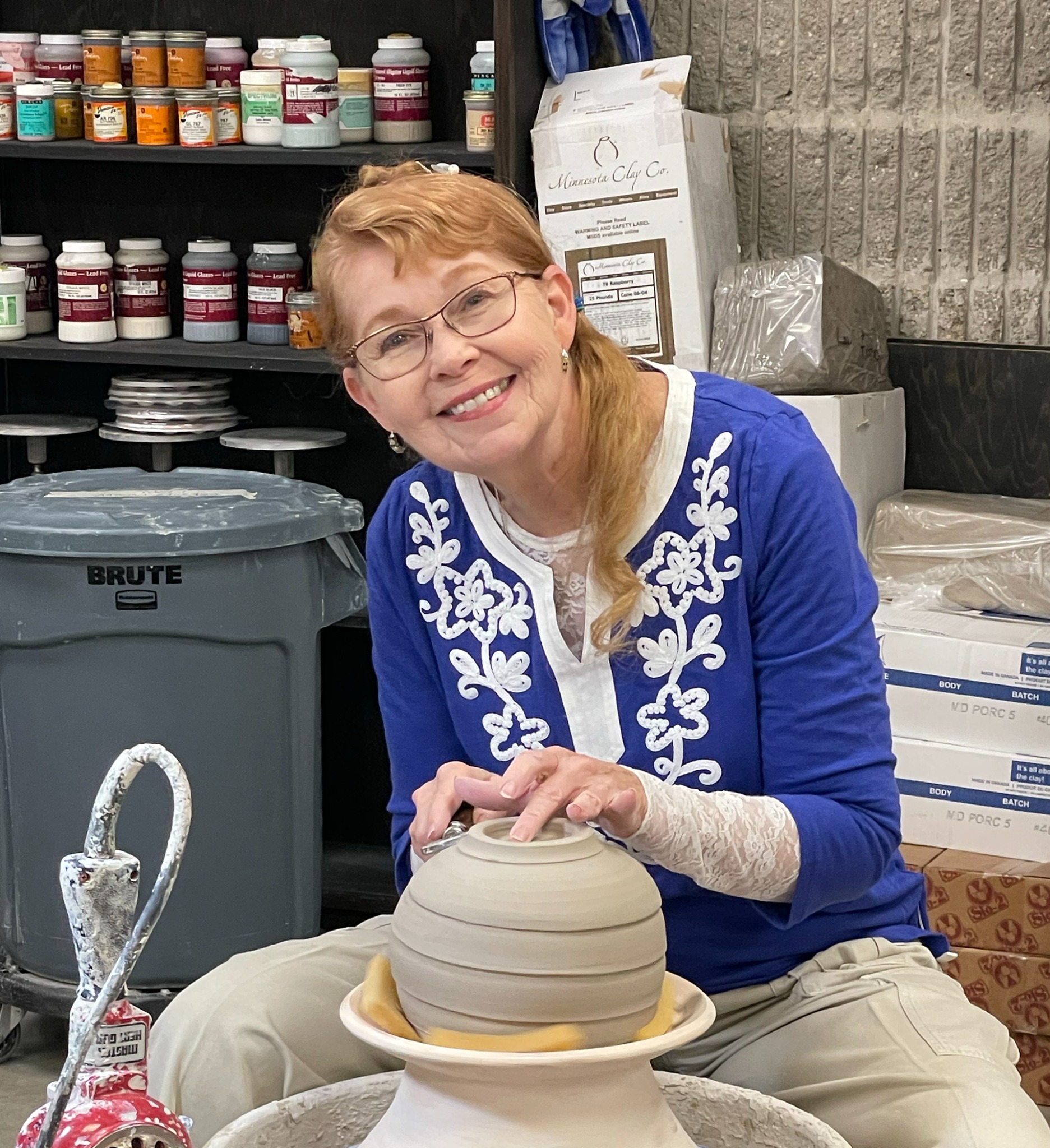
Her creative life began not with a single academic path, but through making, instruction, service, and a growing fascination with the transformative possibilities of clay.
Beginnings
Martie’s relationship with art began long before she entered academia. Her early interest in making things by hand gradually developed into a particular fascination with clay and ceramics—the medium that would become the foundation of her artistic, teaching, and scholarly life.
A formative stage came during her service in the United States Army from 1974 to 1977, where she worked as an arts and crafts specialist. Rather than first encountering art solely through a university studio, she came to understand creative practice through hands-on making, instruction, and the communal environment of an arts and crafts program.
Education
Arizona State University
University of New Mexico
Texas Tech University
Texas Tech University
Her doctoral research investigated Chinese kiln-god worship and mythology and their transmission into the beliefs and practices of American ceramists. That inquiry established a scholarly direction joining ceramics, cultural history, mythology, and ethnographic research.
A Practice Shaped by Place
For Martie, place is more than geography. It is a source of material knowledge, cultural encounter, memory, teaching, and transformation. Across decades of movement and return, each location has entered her work differently—shaping the questions she asks of clay and the communities through which those questions continue to evolve.
United States · Beginnings & Education
Martie’s earliest engagement with art grew through hands-on experience, including her service as an arts and crafts specialist in the U.S. Army. Formal study at Arizona State University, the University of New Mexico, and Texas Tech University expanded that practical foundation into ceramics, sculpture, and interdisciplinary research. These years established the studio as both a place of making and a site for sustained inquiry.
Hong Kong · 1996–1999 & 2007–2009
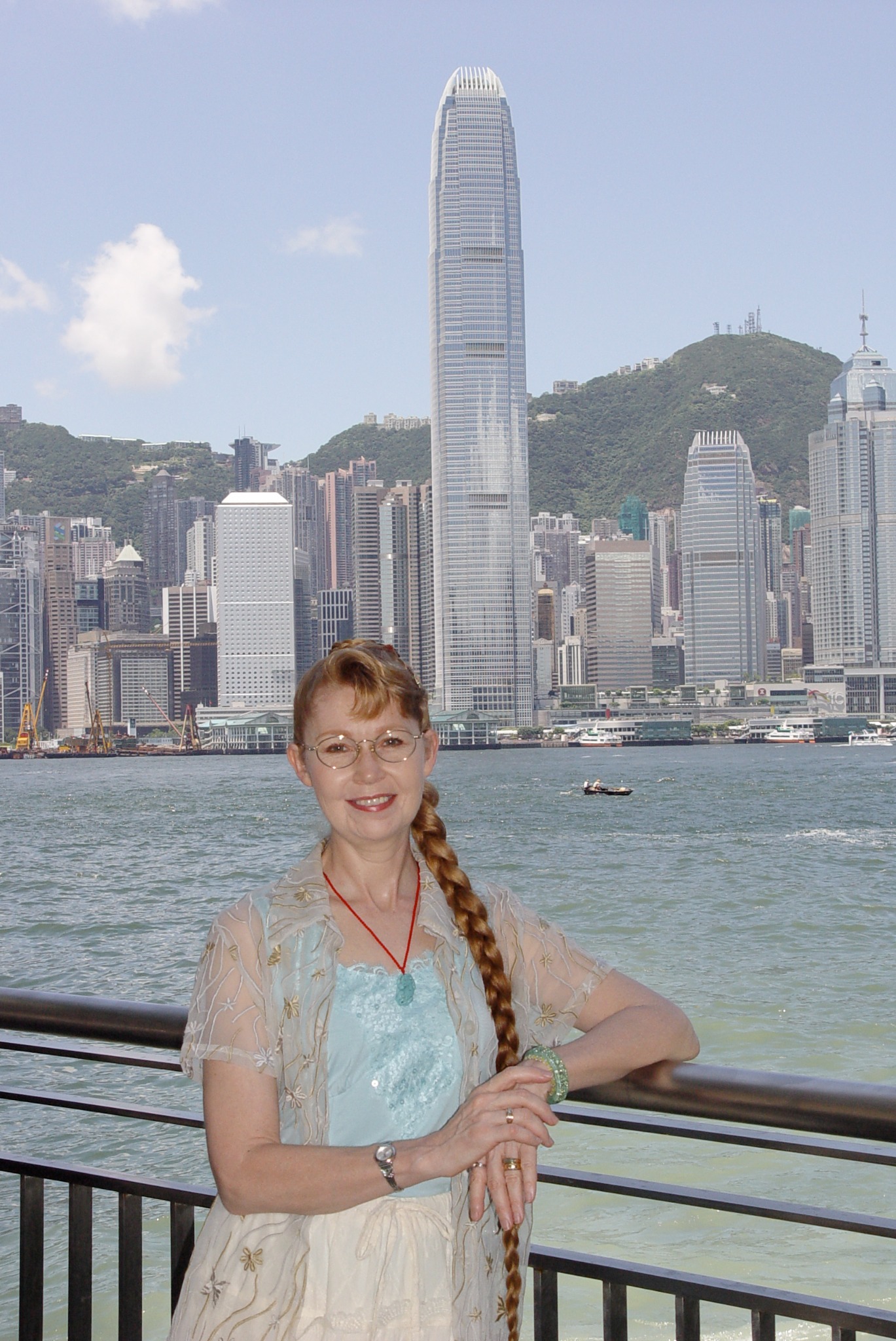
Hong Kong became one of the defining places in Martie’s artistic and scholarly development. Teaching, co-founding I-Kiln Studio, experimenting with raku and firing processes, and researching kiln-god traditions brought studio practice and cultural inquiry into close conversation. Her experiences there contributed to bodies of work including Kiln Goddess, Shangri-La, Resurfaced Eccentricities, and South China Sea. Returning years later allowed earlier questions to be reconsidered through new materials, sites, and encounters.
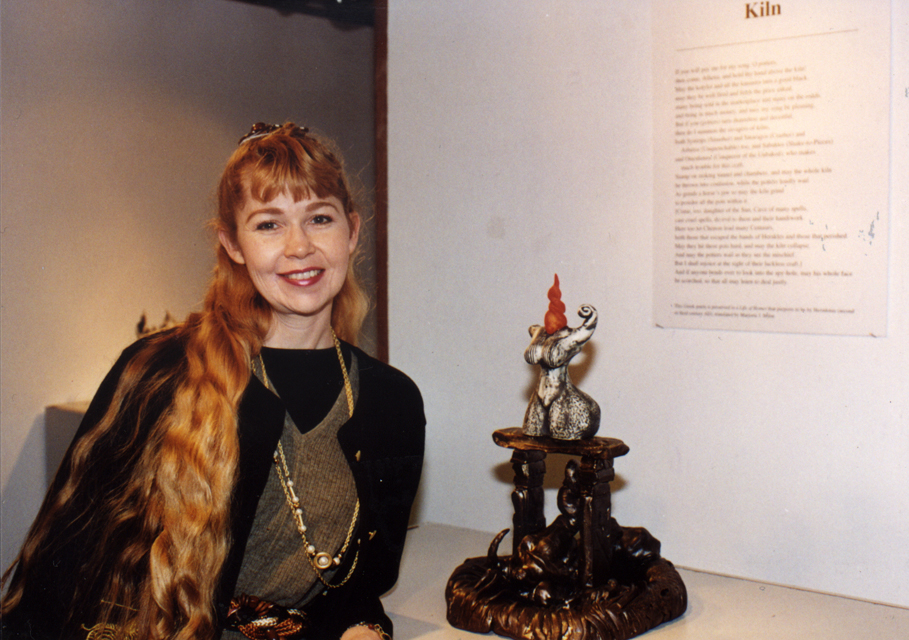
China · Ceramic Traditions & Kiln-God Research
Research in Chinese ceramic centers such as Shiwan and Jingdezhen extended Martie’s investigation of kiln culture beyond the studio. Encounters with ceramic history, mythology, craftsmanship, temples, and firing traditions informed her doctoral research and later writing. Rather than treating tradition as static history, she approached it as a living network of beliefs, practices, objects, and people.
Brunei · 2012–2018
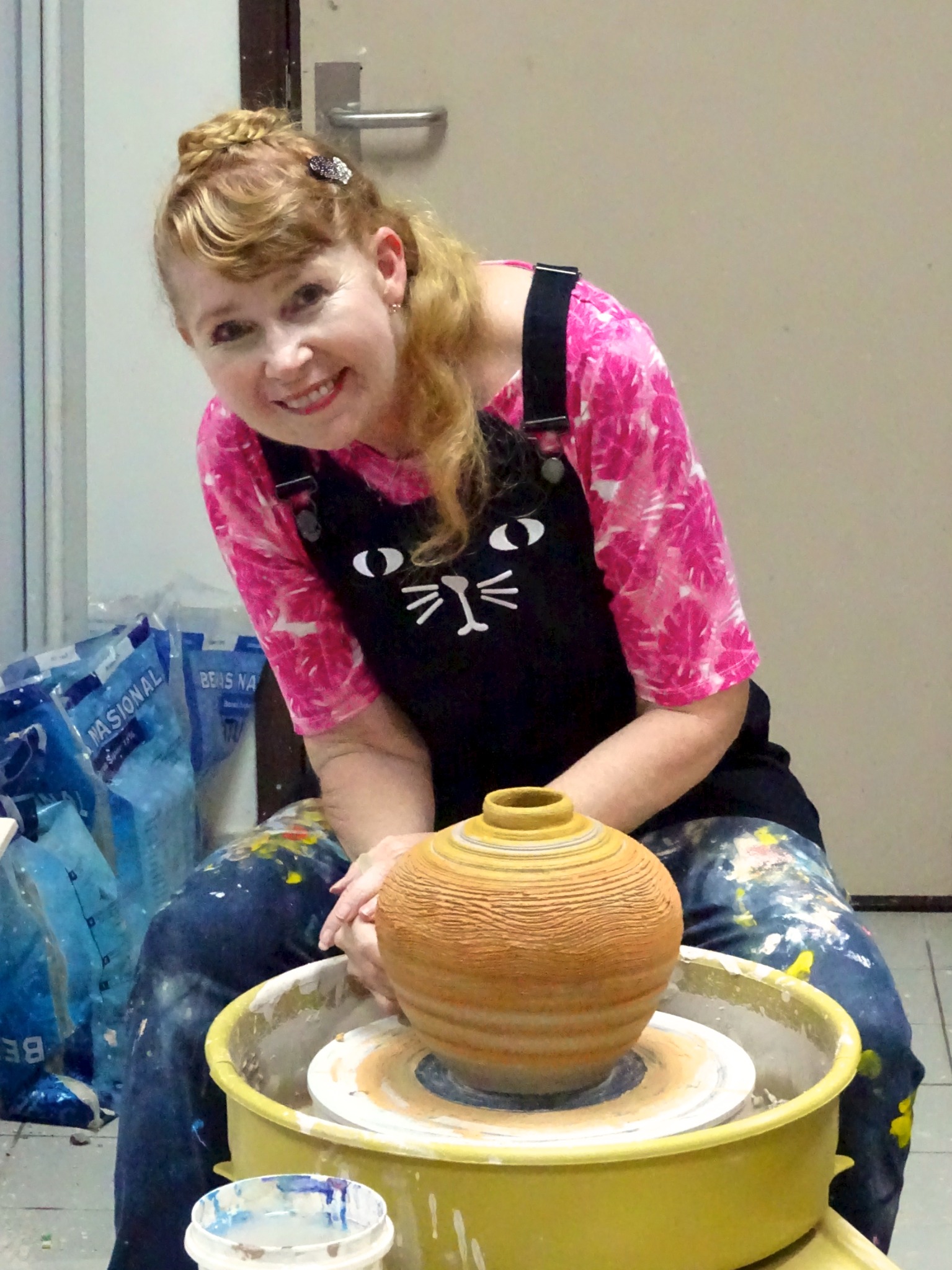
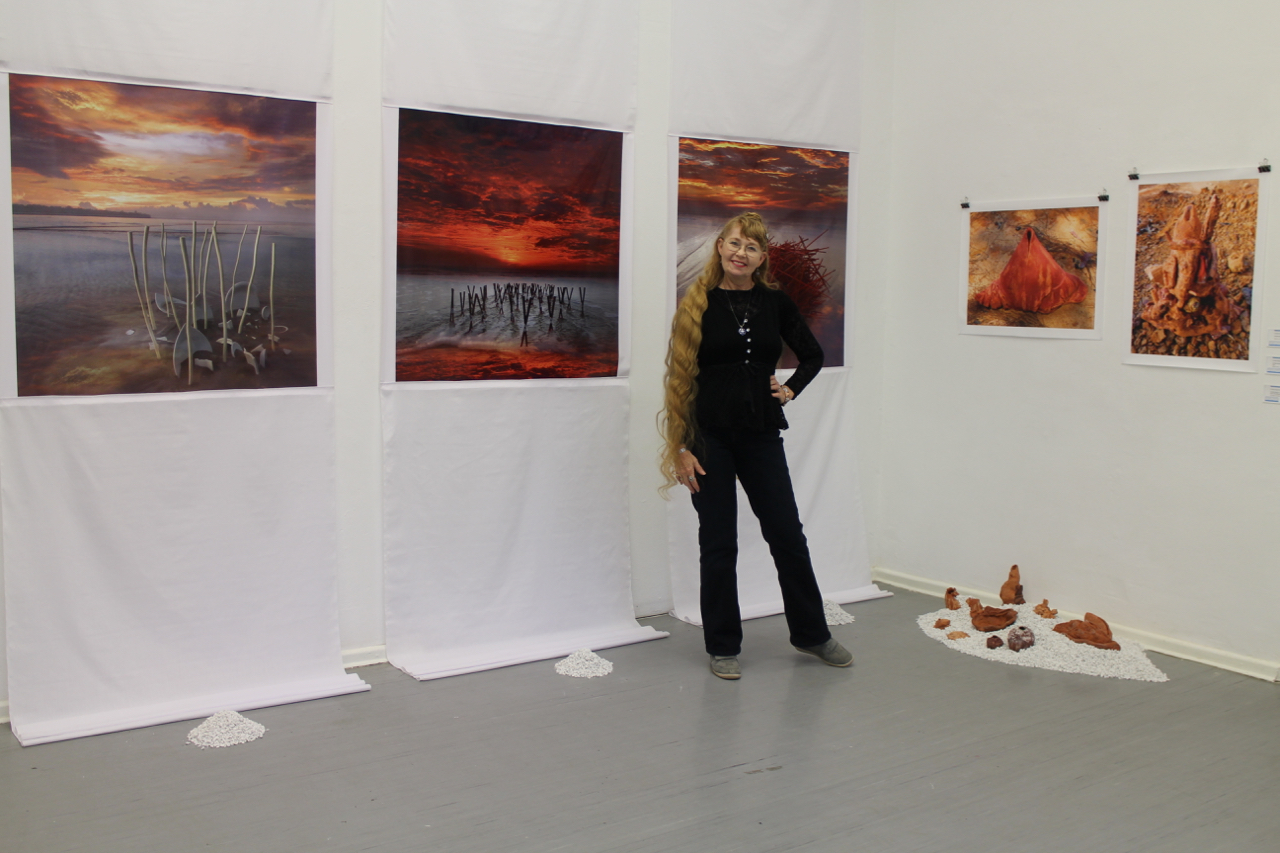
During her years teaching at the University of Brunei Darussalam, Martie’s surroundings became increasingly present in her work. Tropical landscape, shoreline formations, changing surfaces, and the material character of the environment contributed to the development of the Terraformation series. Teaching and exhibiting remained intertwined with studio experimentation, while international exhibitions—including activity in Berlin—carried this Brunei-based period into a wider cultural context.
Taiwan · Research, Education & Return
Taiwan has been a recurring site in Martie’s ceramic research rather than a single destination. Fieldwork, interviews, ceramic education, and later residency experiences allowed her to return to questions of kiln traditions, contemporary practice, and cultural transmission over time. Repeated encounters demonstrate how a place can continue to influence an artist long after the first visit.
Japan · Shigaraki
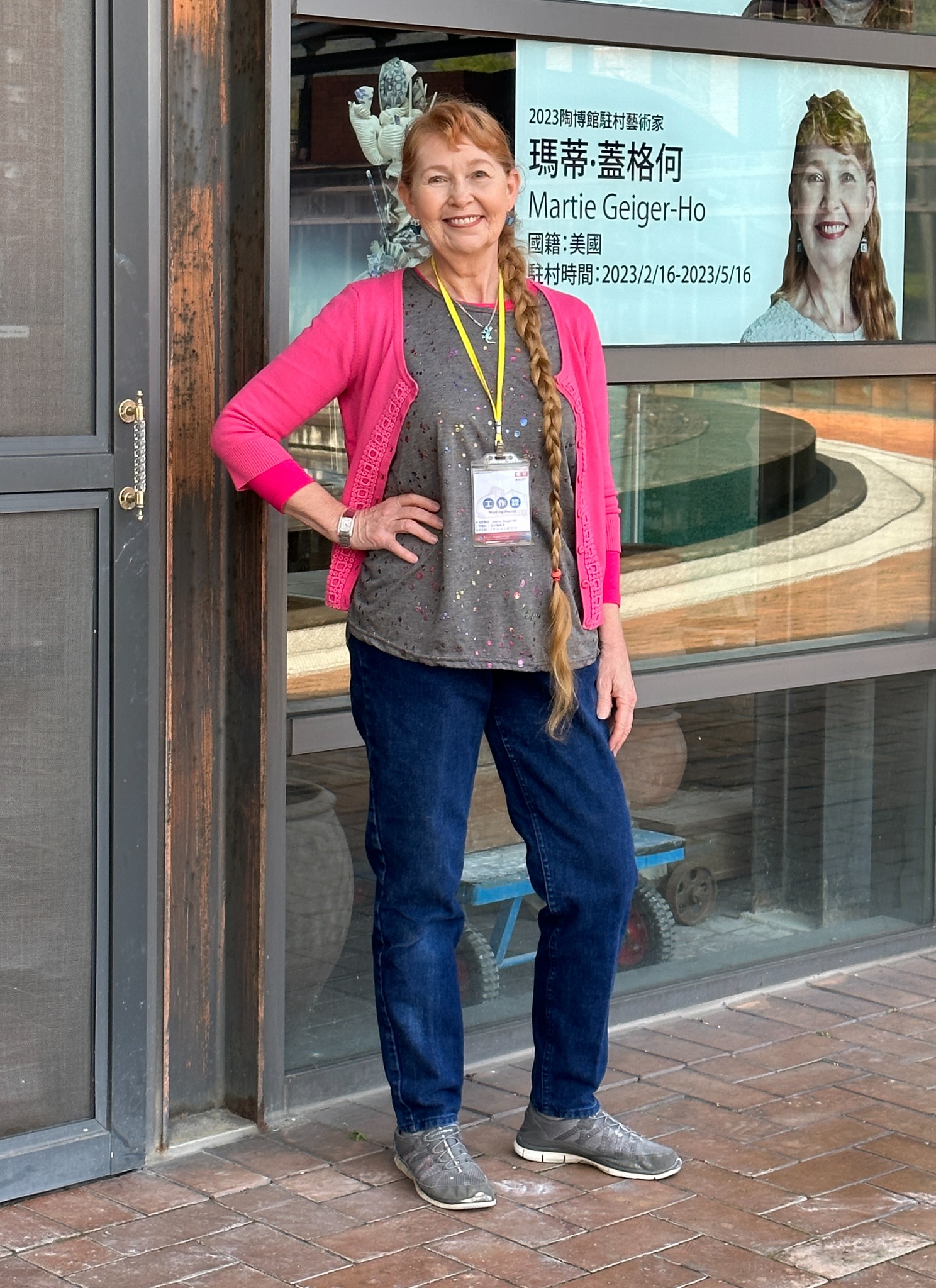
Martie’s Shigaraki residency brought her into direct contact with one of Japan’s historic ceramic centers. Studio work, kiln culture, landscape, and the contemplative experience of Japanese gardens encouraged a quieter mode of observation. The residency reinforced her long-standing interest in how firing traditions and local environments shape both ceramic objects and the thinking that surrounds them.
Singapore · Dragon Kilns
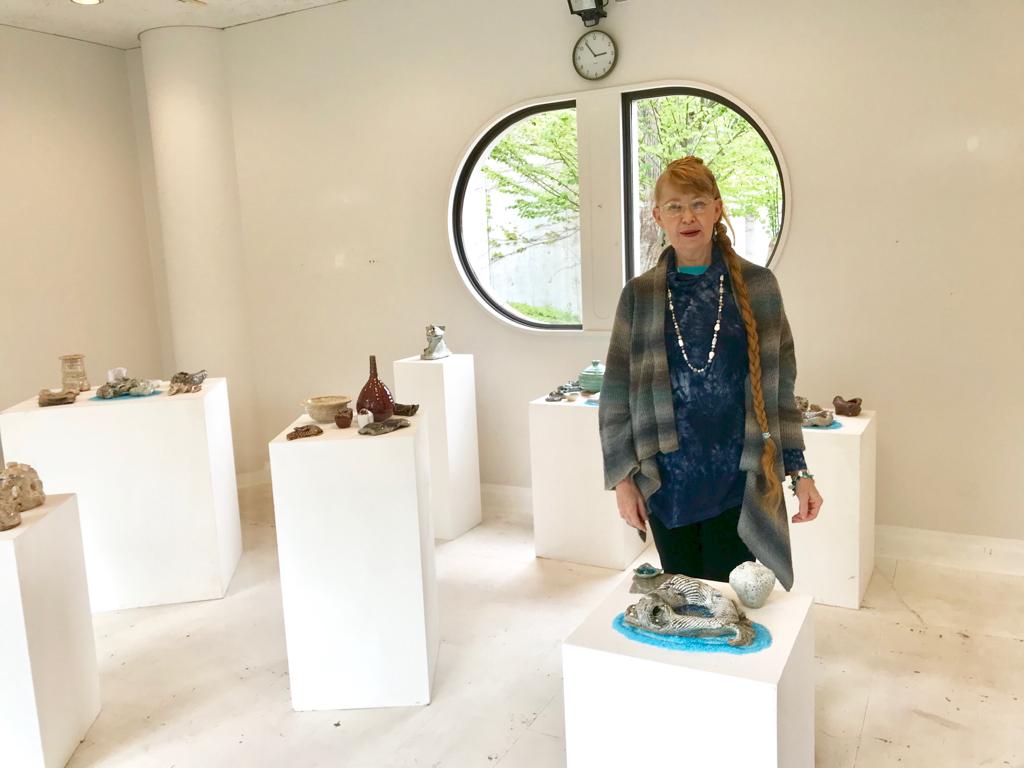
Research at Singapore’s dragon kilns broadened Martie’s inquiry from individual studio practice to the preservation of communal ceramic heritage. Encounters with the Thow Kwang and Jalan Bahar kiln environments connected kiln technology, education, cultural memory, and the continued significance of traditional firing sites within a rapidly changing contemporary city.
North America · Teaching, Exhibiting & Returning to the Studio
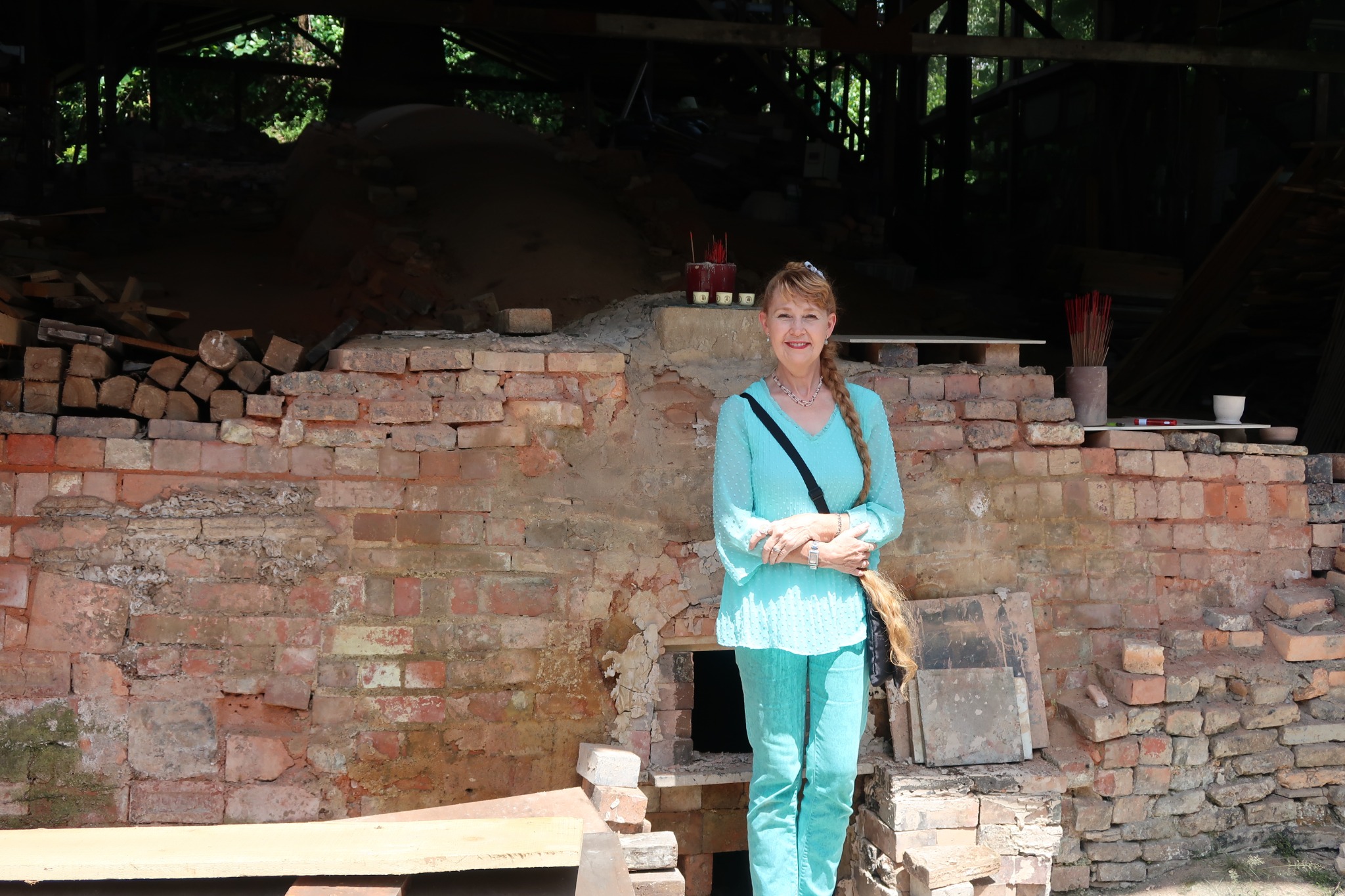
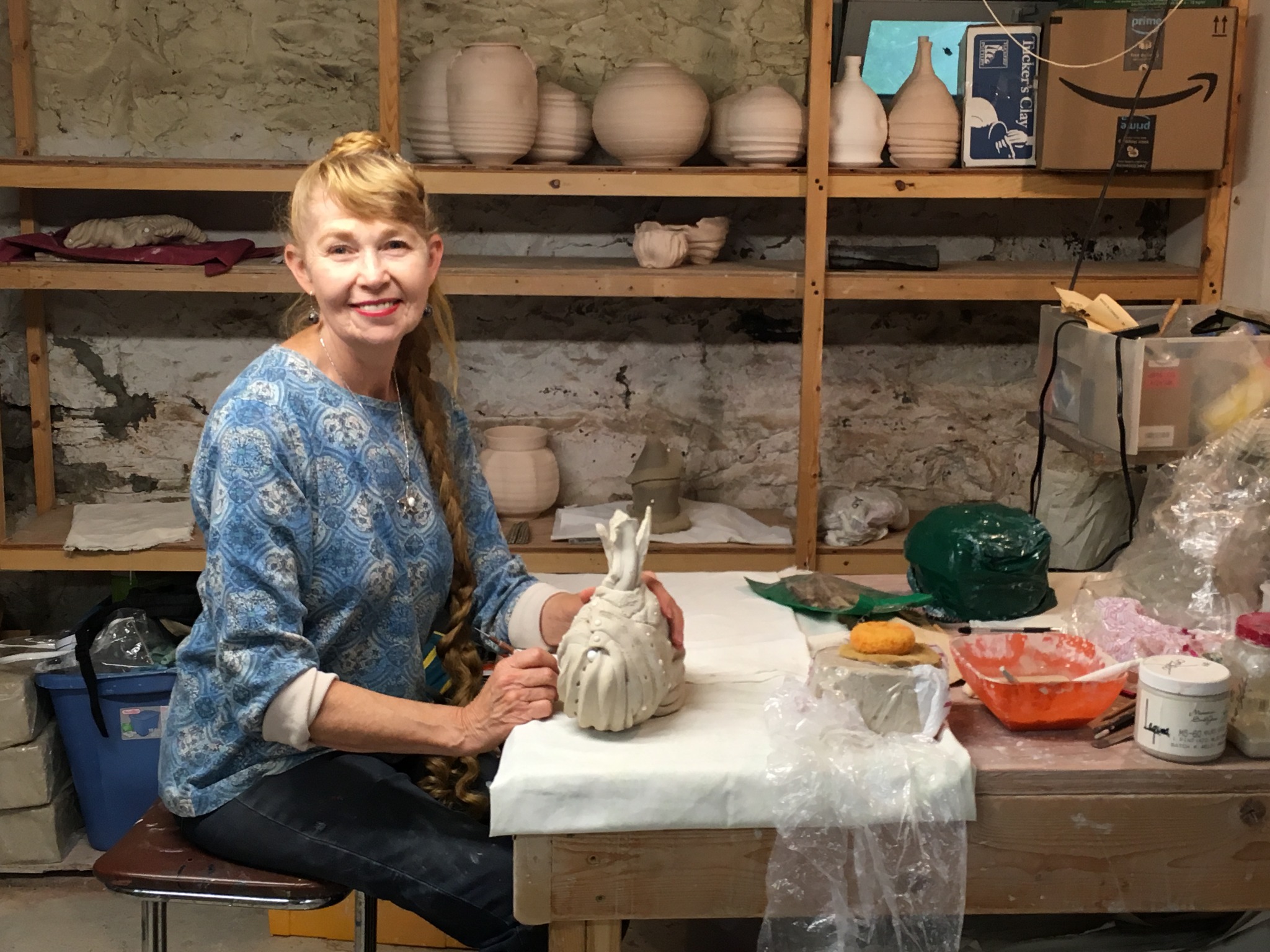
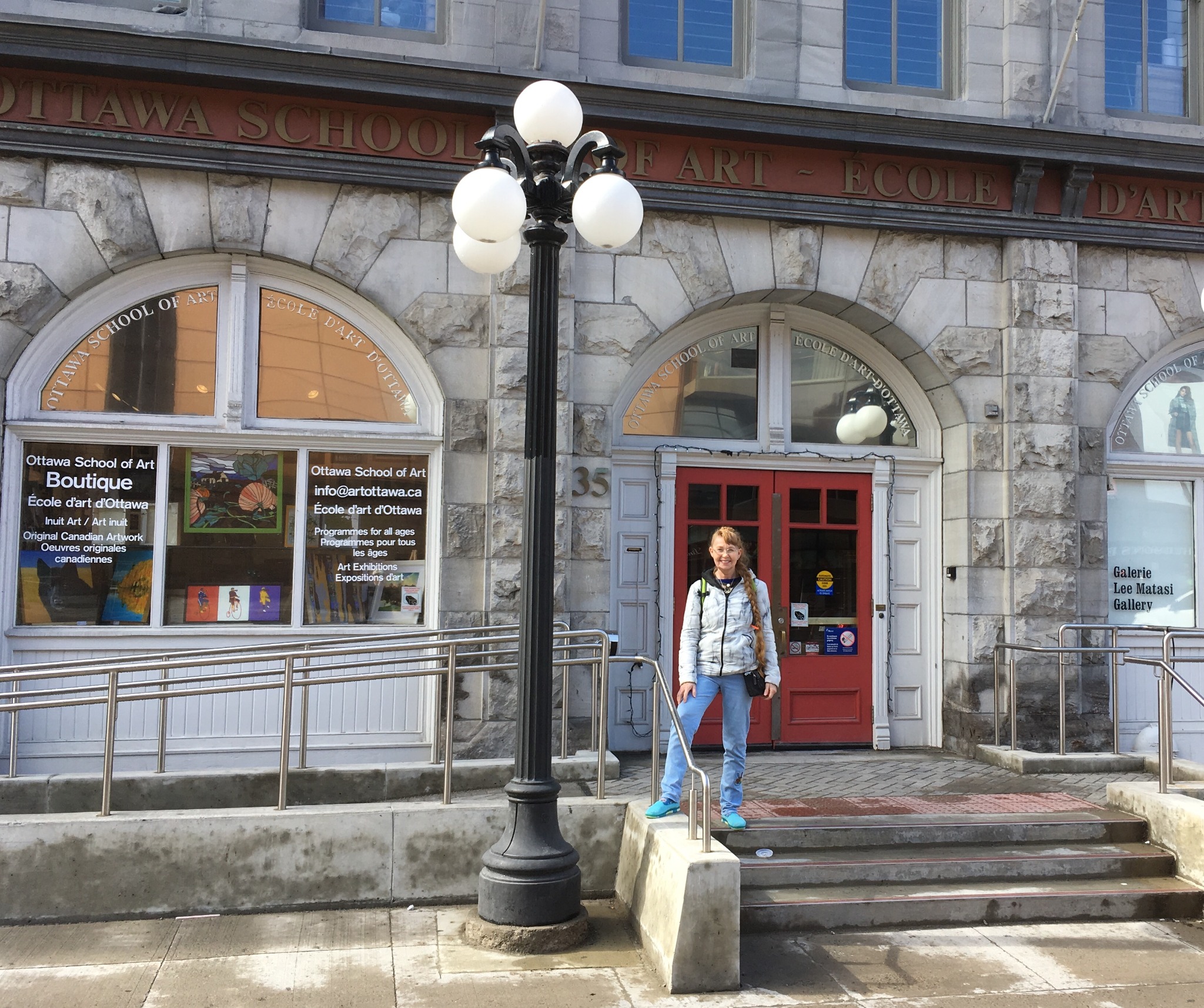
Across appointments and residencies in the United States and Canada, Martie continued to move between teaching, making, research, and exhibition. Her University of Pittsburgh at Bradford years included ceramics instruction and exhibitions such as Playing with Fire and Kiln Gods. Later experiences at Women’s Studio Workshop in New York, the Ottawa School of Art in Canada, and Texas A&M International University created opportunities to return to intensive studio work while sharing decades of ceramic knowledge with new communities.
Iowa · 2023–Present
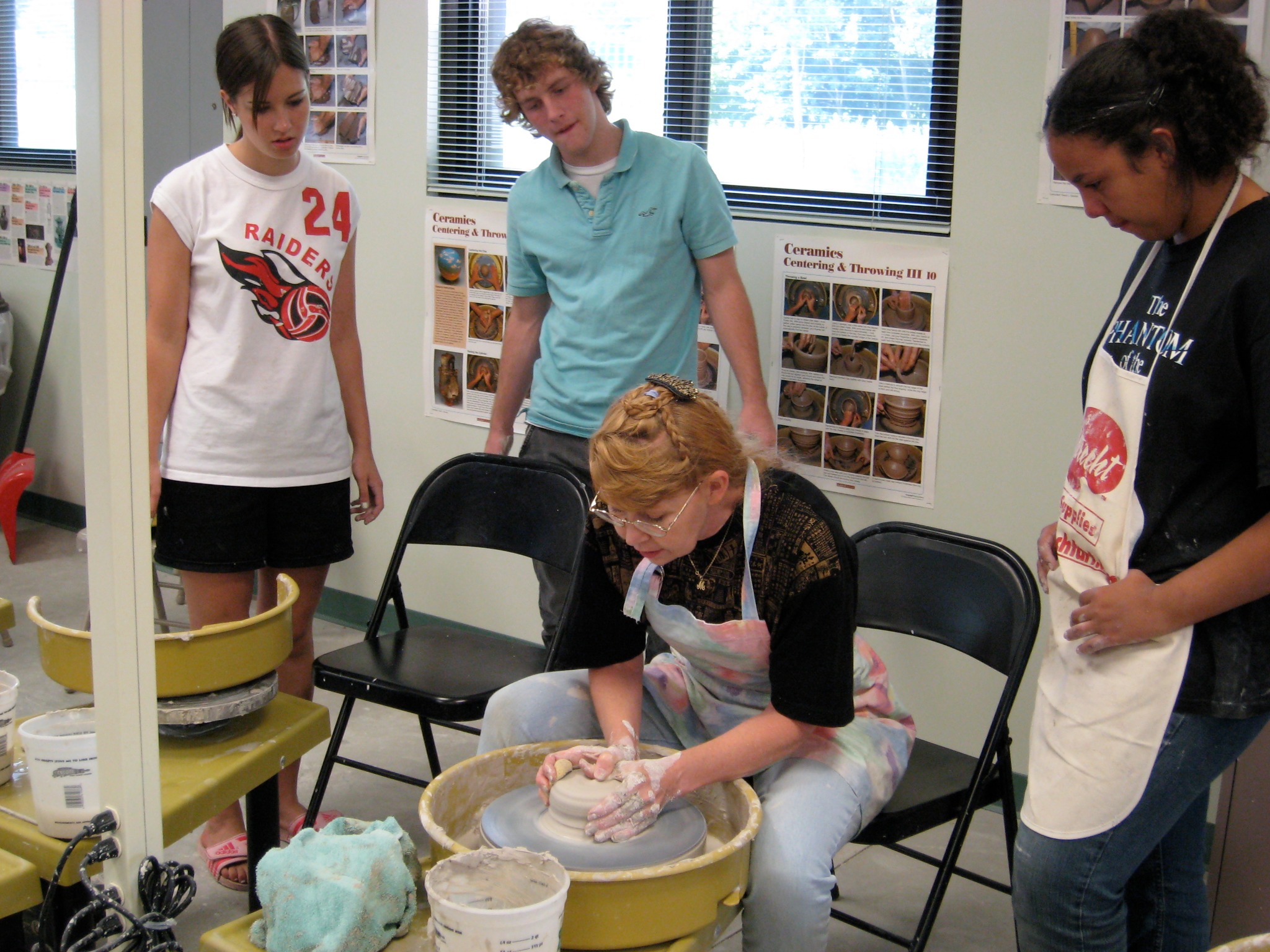
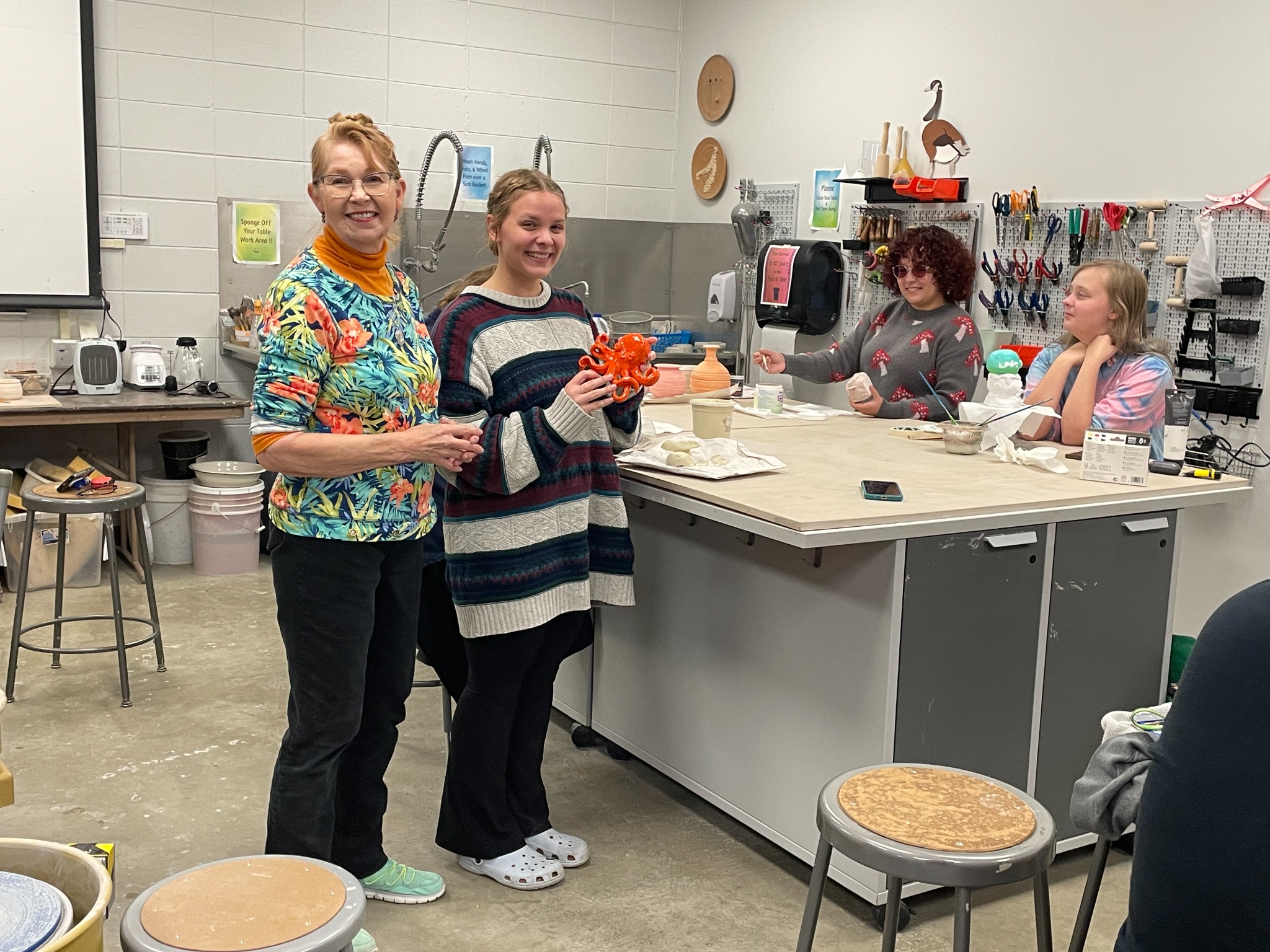
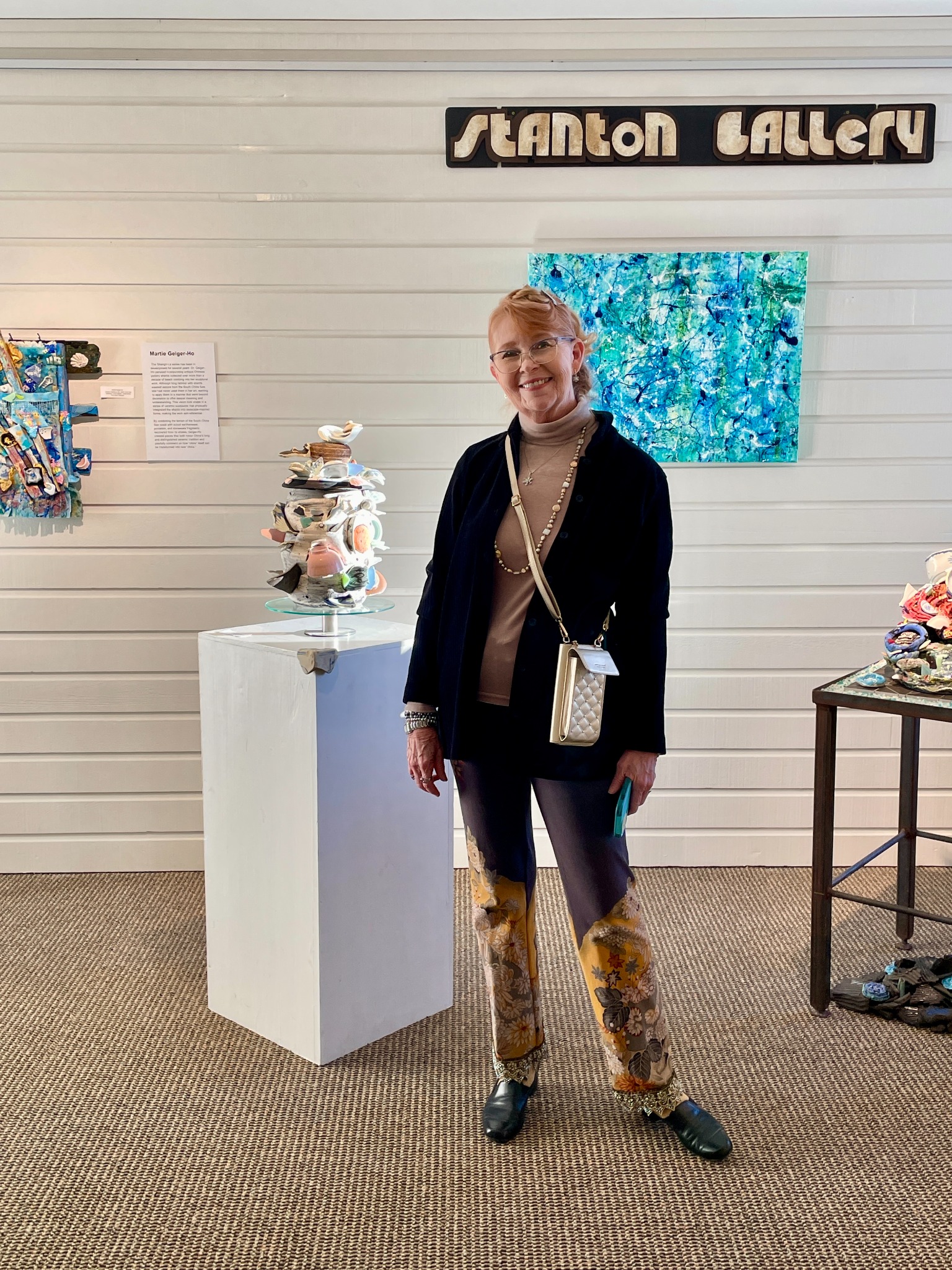
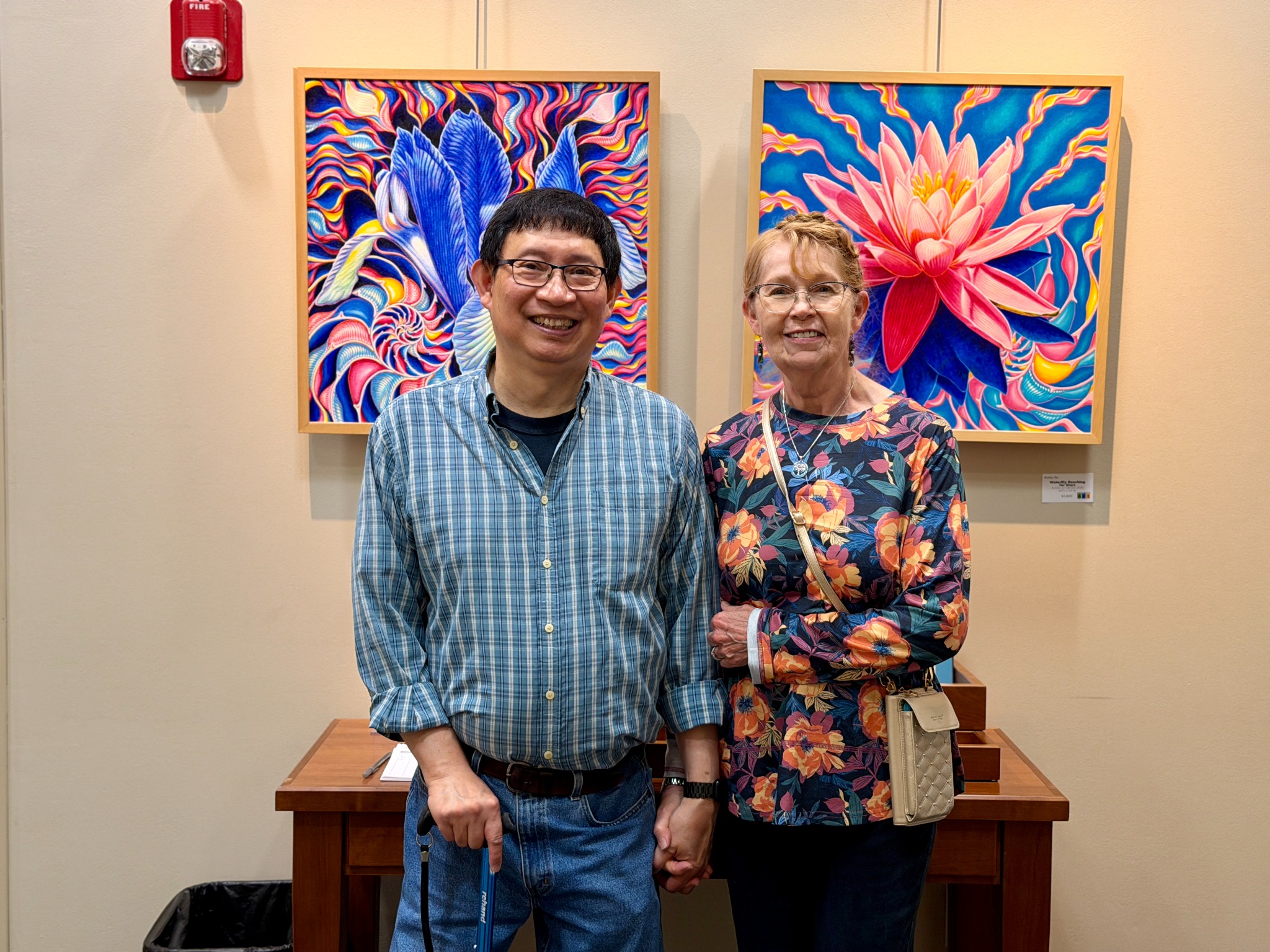
After relocating to Iowa, Martie entered another chapter in a practice continually reshaped by place, teaching, and material exploration. At North Iowa Area Community College, she returned to the ceramics studio as both educator and working artist, sharing decades of international experience while continuing her own investigation of clay, form, surface, and firing. Exhibitions in Iowa and beyond demonstrate the continuity of this evolving practice, while Token of Time, presented with Kong Ho in 2026, brings two distinct artistic journeys into dialogue through memory, nature, transformation, and the passage of time.
Continuity
For Martie, place is more than geography. From American ceramics studios to Hong Kong kilns, Brunei’s tropical environment, East Asian ceramic traditions, international residencies, and her present life in Iowa, each place has entered her work differently. Together, these experiences reveal a practice shaped not by a single style or location, but by decades of movement, observation, exchange, and return.
Research, Writing & Exhibitions
Martie’s ceramic work has been exhibited internationally throughout the United States, Canada, Europe, and Asia. Across these contexts, her work has continued to move between vessel, sculpture, installation, performance, and forms rooted in the visual and ritual language of the kiln.
Her long-standing investigation of kiln culture culminated in the 2012 book The Worship of Kiln Gods: From the Temples of China to the Studios of Western Potters, along with numerous articles addressing kiln-god traditions, ceramics, cultural context, art education, and creative practice.
Continue Exploring
The Research section traces Martie’s fieldwork from American studio ceramics through Hong Kong, Jingdezhen, Shiwan/Foshan, Taiwan, Singapore, and later activity in Canada.
Visit the Research page →Today
Martie continues to work as a ceramist and art educator at North Iowa Area Community College in Mason City, Iowa. From her beginnings as a young arts and crafts specialist in the U.S. Army to decades of teaching, research, exhibitions, and ceramic practice across cultures, her career remains grounded in an enduring engagement with clay, fire, material transformation, and the cultural histories surrounding the ceramic arts.